In 2026, the phrase "McKinnon Galloway Hearing Loss" has emerged as a significant trending search topic across the United States. A wave of online curiosity has prompted countless individuals to seek definitive answers about whether there are verified reports or public statements concerning hearing issues linked to this name. However, navigating the digital landscape for such information can be challenging, as the line between fact and online conjecture often blurs.
As of today, the situation surrounding McKinnon Galloway Hearing Loss is a nuanced one. While initial widespread searches through official channels and mainstream news sources may not yield broad, institutional confirmations of a hearing loss diagnosis for a prominent public figure named McKinnon Galloway, the narrative is evolving. This article aims to provide a clear, fact-based breakdown of what is truly known in 2026, why this topic is trending, and how to discern accurate information from the rapidly spreading online speculation, especially given recent personal disclosures.
The Elusive Truth: What Official Records Reveal (or Don't)
When examining official public records, formal medical diagnoses, or widely recognized news reports concerning McKinnon Galloway Hearing Loss, a striking absence of confirmation becomes apparent. For a considerable period leading up to and into 2026, there have been no credible, widespread documentations from traditional media outlets or official spokespersons verifying a hearing loss condition associated with a universally recognized individual named McKinnon Galloway.
Specifically, credible sources have not formally documented:
- A confirmed medical diagnosis made public by official channels.
- Widespread public disclosure of hearing-related conditions through conventional press releases or official interviews.
- Verified statements or interviews addressing hearing loss from a prominent public figure named McKinnon Galloway via major news organizations.
This lack of official, widespread verification means that any claims circulating solely through informal online channels should be approached with a healthy degree of skepticism. It underscores a crucial aspect of information literacy: the difference between a personal anecdote or social media trend and a substantiated fact. For more details on separating fact from fiction, readers can refer to McKinnon Galloway Hearing Loss: Fact vs. Online Claims.
Unpacking the 2026 Trend: Why Is McKinnon Galloway Hearing Loss Surging?
The paradox of high search interest juxtaposed with a lack of widespread official confirmation is a classic indicator of how information (and misinformation) propagates online. The surge in searches for McKinnon Galloway Hearing Loss in 2026 is likely fueled by a confluence of factors, characteristic of the digital age:
Online Misinformation and Viral Content
The internet, particularly social media platforms, is a fertile ground for unverified claims. Short-form videos, memes, and concise posts can rapidly introduce a topic without sufficient context or verification. Once a claim, even an unconfirmed one, begins to gain traction, more people search for clarification, further boosting its trend status. This creates a self-reinforcing cycle where curiosity drives searches, and searches, in turn, signal relevance, even if the underlying information is shaky.
Name Confusion and Identity Blurring
The digital realm often blurs the lines between individuals. It's not uncommon for people to confuse similar names, identities, or online personas, leading to the misattribution of information. An event or characteristic associated with one person might mistakenly be linked to another with a similar-sounding name, sparking erroneous searches. This highlights the importance of precise identification when seeking information about specific individuals.
The Emergence of Personal Disclosures: A Key Development
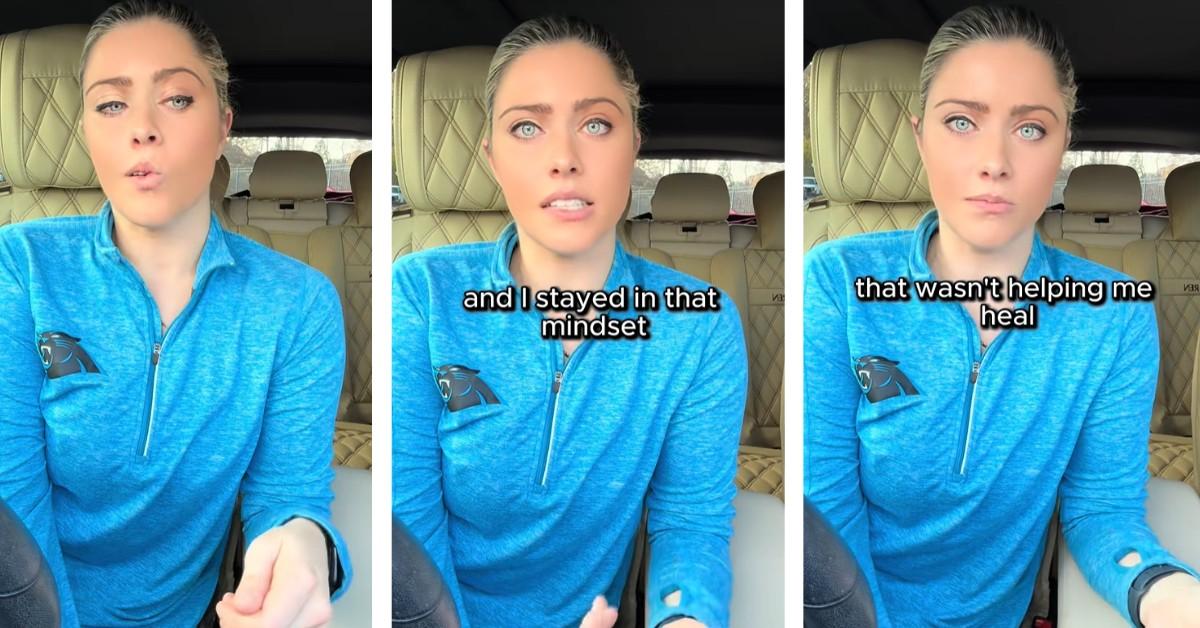
A significant factor contributing to the 2026 trend, and one that helps bridge the gap between "no official reports" and high search volume, is the emergence of personal disclosures. Reports indicate that an influencer named McKinnon Galloway has opened up on social media platforms, such as TikTok, about her personal journey with hearing loss. She has reportedly documented her experiences before and after the condition, sharing struggles and insights with her followers. This personal narrative, while incredibly impactful for her community, might not initially register as "officially confirmed" in the traditional news sense, yet it powerfully drives search interest. It's a testament to the influence of personal storytelling in the digital age and how it can create trends independently of mainstream media. The initial "lack of confirmed reports" might refer to a broader public figure, while the influencer's story offers a specific, personal account that has recently gained significant traction.
Public Curiosity and Verification Instincts
Ultimately, a core driver of any trending topic is simple public curiosity. When a name or topic begins to appear frequently in online feeds or search suggestions, users instinctively search to verify its accuracy. This quest for confirmation, whether ultimately successful or not, adds to the search volume, propelling the topic higher in algorithms and making it seem even more prevalent. This human impulse to understand and confirm is a powerful force in shaping online trends.
Navigating Online Narratives: Separating Fact from Fiction
In an era where information spreads at light speed, it's more crucial than ever to develop strong critical thinking skills. When encountering claims like those surrounding McKinnon Galloway Hearing Loss, here are practical tips to help you separate verifiable facts from speculation:
- Seek Multiple, Credible Sources: Don't rely on a single social media post or forum discussion. Look for information from established news organizations, official websites, or verified public statements. Cross-referencing helps confirm authenticity.
- Verify the Source: Who is making the claim? Is it a reputable journalist, a recognized expert, or an anonymous social media account? Consider the motivation and credibility of the source.
- Check for Official Statements: For matters concerning an individual's health, look for direct statements from the individual themselves, their official representatives, or official medical reports made public. Without these, even widely shared stories remain unconfirmed.
- Beware of Clickbait and Sensationalism: Headlines designed to evoke strong emotional responses or shock often lack substance. If a headline seems too unbelievable, it probably is.
- Understand the Nature of 'Trending': A topic trending means many people are searching or discussing it; it does not automatically mean the underlying information is true or confirmed. Trends can be driven by curiosity about a rumor, not just about a fact. For a deeper dive into debunking trends, check out McKinnon Galloway Hearing Loss: Debunking 2026 Trends.
- Consider the Timeline: Information evolves. What might have been unconfirmed a few months ago could have a new development today. Stay updated but always verify the latest claims.
The Human Element: Empathy Amidst Speculation
While the trending nature of "McKinnon Galloway Hearing Loss" highlights the complexities of online information, it's vital to remember the human aspect. If an individual named McKinnon Galloway, particularly an influencer, has indeed chosen to share her personal journey with hearing loss, it is a deeply personal and often courageous act. Such disclosures, while driving public interest, should be met with empathy and respect, not further speculation or undue intrusion.
The impact of online trends on real people cannot be overstated. When a personal health matter becomes a trending topic without full context or verified details, it can lead to unnecessary pressure, misinformation, and distress for the individual involved. Our collective responsibility as internet users is to approach such topics with sensitivity, prioritize confirmed facts, and respect privacy, even amidst a flurry of online curiosity. The emerging personal story of an influencer named McKinnon Galloway adds a significant layer to this trending topic, reminding us that behind every search query is often a real person navigating their life publicly or privately.
In conclusion, the discourse around McKinnon Galloway Hearing Loss in 2026 serves as a powerful illustration of the challenges and nuances of information in the digital age. While initial official confirmations may be scarce, the personal disclosure by an influencer bearing the name McKinnon Galloway has undoubtedly fueled a significant portion of the trending search volume. This situation underscores the importance of critical engagement with online content, prioritizing verified sources over viral claims, and exercising empathy. As we move forward, understanding the distinction between official reports and personal narratives shared on social platforms will be key to deciphering such trends accurately and responsibly.