Debunking the Buzz: What’s Really Known About McKinnon Galloway Hearing Loss in 2026
In 2026, the term "McKinnon Galloway Hearing Loss" has unexpectedly surged as a trending search topic across the United States. Online curiosity has led countless individuals to seek verified information regarding claims of hearing issues connected to this name. However, as the digital dust settles and facts are sought, a clear picture emerges: the widespread interest in McKinnon Galloway Hearing Loss appears to be driven by speculation and misinformation rather than confirmed reports.
This article aims to cut through the noise, providing a comprehensive, fact-based breakdown of what is truly known about this trending topic. We'll explore why such claims gain traction, how to differentiate between online chatter and verifiable truth, and offer practical strategies for responsible information consumption in the digital age. It's crucial to understand that while online conversations can be robust, they don't always align with confirmed reality.
The Truth About McKinnon Galloway Hearing Loss in 2026: What the Records Show
Despite the significant increase in searches, an exhaustive review of public records, official statements, and credible news reports reveals a consistent finding: there are no verified, factual, or publicly confirmed reports that establish any widely recognized case of hearing loss involving an individual named McKinnon Galloway. This is the unequivocal truth as of 2026.
Let's be clear about what this absence of evidence means:
- No Medical Diagnosis: There are no documented medical diagnoses or reports from healthcare professionals linking McKinnon Galloway to a hearing condition.
- No Public Disclosure: No widely recognized individual by this name has publicly disclosed struggles with hearing loss, either through personal statements, interviews, or official channels.
- No Credible Media Coverage: Reputable news organizations have not published verified stories detailing a hearing loss condition for McKinnon Galloway.
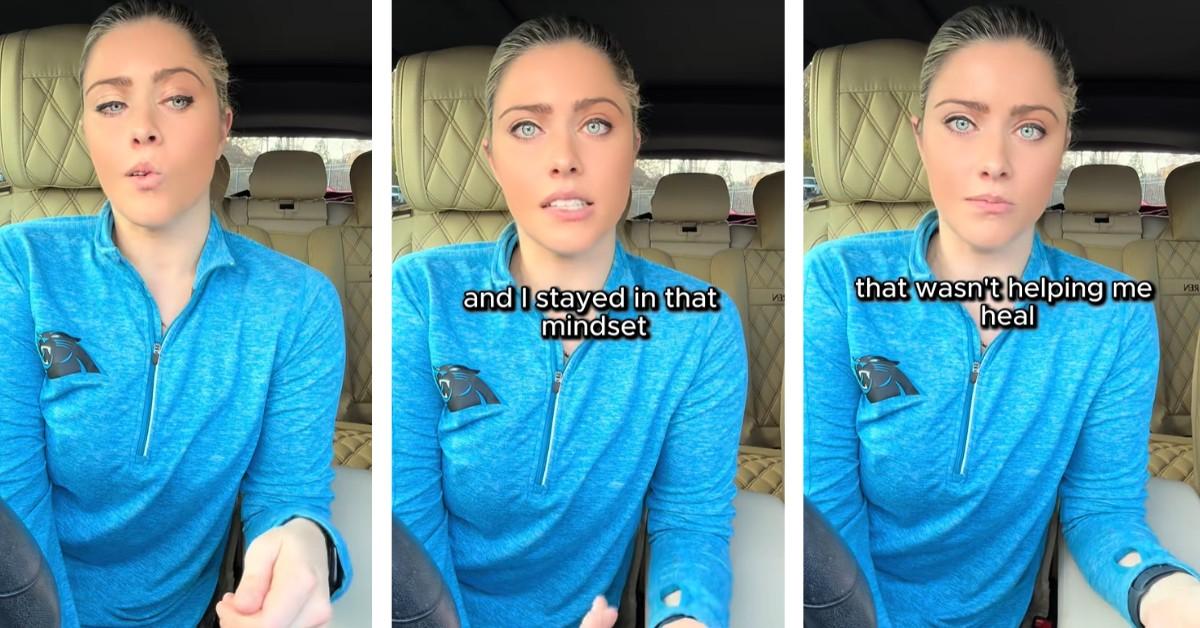
While the internet is rife with various claims, including anecdotal posts that might suggest an "influencer" named McKinnon Galloway has discussed a past accident leading to hearing loss, these individual claims lack broader, independent verification. The sheer volume of searches, therefore, often reflects a search for clarification rather than a response to confirmed events. When evaluating claims like these, especially those related to health, the burden of proof lies with those making the claim, and in this instance, definitive proof is notably absent from credible sources. For a deeper dive into the confirmed information, you can read more at McKinnon Galloway Hearing Loss: What's Known in 2026.
Unpacking the "Why": Why McKinnon Galloway Hearing Loss is Trending Without Facts
The phenomenon of McKinnon Galloway Hearing Loss trending without a factual basis is a classic example of how modern digital ecosystems operate. Search trends often reflect curiosity and the rapid spread of information, or *misinformation*, rather than confirmed facts. Several factors contribute to this unique online dynamic:
1. The Echo Chamber of Online Misinformation
Unverified claims can gain incredible traction across social media platforms. A single post or short video, even if based on speculation or a misunderstanding, can quickly go viral. Once a topic starts to gain attention, more people begin searching for clarification, inadvertently boosting the trend. This creates a feedback loop where interest grows, fueled by the very act of seeking information about an unconfirmed claim. Platforms like TikTok, with their rapid-fire content delivery, are particularly susceptible to this kind of viral spread, where context can be lost and individual claims amplified without verification.
2. Name Confusion and Identity Mix-ups
The digital landscape is vast, and similar names or identities can easily lead to misunderstandings. People might associate unrelated information with the wrong individual, or a claim meant for one "McKinnon Galloway" (perhaps an obscure online personality) could be mistakenly attributed to a more prominent or perceived public figure. This blurring of identities contributes significantly to the spread of unverified claims, as users struggle to pinpoint the original source or subject of the information.
3. The Power of Public Curiosity
When a name or topic starts trending, a natural human response is curiosity. Users often search simply to verify whether the information is accurate or to understand *why* it's trending in the first place. This collective inquiry, while understandable, further fuels the algorithmic boost of the trend, irrespective of the factual veracity of the underlying claim. This makes it challenging to separate genuine news from pure digital noise. Understanding the difference between fact and online claims is vital; explore more at McKinnon Galloway Hearing Loss: Fact vs. Online Claims.
Navigating the Digital Noise: Tips for Fact-Checking Online Information
In an age where information spreads at lightning speed, developing critical thinking skills and employing sound fact-checking strategies are more crucial than ever. When faced with trending topics like McKinnon Galloway Hearing Loss, here are actionable tips to help you discern truth from speculation:
- Consider the Source: Always evaluate where the information is coming from. Is it a reputable news organization with editorial standards, an official public statement, a peer-reviewed journal, or an unverified social media account? Prioritize information from established, credible sources over anonymous posts or personal blogs.
- Look for Verified Statements: For claims about individuals, especially concerning health, seek official statements from the person themselves, their representatives, or recognized medical professionals. Absence of such statements from credible channels is a major red flag.
- Check Multiple Reputable Sources: Don't rely on a single piece of information. Cross-reference the claim across several independent, trustworthy news outlets or information platforms. If only one obscure source reports something, it's likely unverified.
- Beware of Sensational Headlines: Clickbait headlines are designed to grab attention, often at the expense of accuracy. Read beyond the headline to understand the full context and verify the facts presented within the article.
- Understand Algorithmic Amplification: Recognize that social media and search engine algorithms prioritize engagement. This means content, regardless of its truthfulness, can be boosted simply because many people are interacting with it. A trending topic isn't automatically a factual one.
- Differentiate Opinion/Claim from Fact: Train yourself to distinguish between someone's personal opinion, a rumor, or an unverified claim, and a provable, supported fact. Look for evidence, data, or official confirmations.
The Broader Impact: Why Dispelling Health Misinformation Matters
The trending search for McKinnon Galloway Hearing Loss serves as a potent reminder of the broader challenges posed by health misinformation online. While this particular topic appears to be unsubstantiated, the rapid spread of unverified health claims can have serious consequences. It can lead to unnecessary anxiety, misdirection from genuine health concerns, and an erosion of trust in reliable information sources.
For individuals genuinely concerned about hearing health, misinformation can be particularly damaging. It can distract from the importance of actual hearing loss prevention, early detection, and effective treatments. It highlights the need for a collective effort to promote digital literacy and critical thinking. When we uncritically share or believe unsubstantiated claims, we contribute to a less informed, and potentially more anxious, public discourse. Fostering an environment where verified facts are prioritized helps ensure that critical discussions around health are based on reality, leading to better outcomes for everyone.
Conclusion
As of 2026, the intense interest surrounding McKinnon Galloway Hearing Loss is rooted in online curiosity and widespread speculation, not confirmed fact. There are no verified public records, official statements, or credible reports that substantiate claims of hearing loss connected to this name. The trend underscores the powerful influence of online misinformation, name confusion, and general public curiosity in shaping digital narratives.
This situation serves as a vital lesson in digital literacy. By applying critical thinking, evaluating sources, and seeking verification from reputable channels, we can navigate the vast sea of online information more effectively. It is our collective responsibility to prioritize accurate, evidence-based information, particularly when it pertains to personal health. In doing so, we contribute to a more informed and trustworthy online environment for all.