McKinnon Galloway Hearing Loss: Navigating Fact vs. Online Claims
In the dynamic digital landscape of 2026, certain names and topics unexpectedly surge into public consciousness, driving countless online searches. One such phenomenon has been the trending phrase "McKinnon Galloway Hearing Loss." This topic has captivated people across the United States, prompting a widespread search for clarity: Are there confirmed reports of hearing issues connected to this name, or is it another instance of online speculation running wild? This article aims to cut through the noise, providing a clear, fact-based breakdown of what is truly known, why this topic gained traction, and how to discern accurate information from the vast sea of online claims.
The Initial Online Buzz: Why "McKinnon Galloway Hearing Loss" Became a Trending Search
The sudden rise of "McKinnon Galloway Hearing Loss" as a trending search topic in early 2026 was, like many online phenomena, initially fueled by curiosity rather than established facts. When a name begins to circulate in trending discussions, whether on social media platforms or search engines, it naturally piques public interest. People are driven to search, often simply to verify the veracity of the claims or to understand the context behind the trend.
Several factors typically contribute to such rapid increases in search volume, especially when official confirmations are scarce:
*
Online Misinformation: The internet is a fertile ground for unverified claims. A single post or comment, even if baseless, can spread like wildfire across social media. Once a topic gains initial traction, more users start searching for clarification, inadvertently amplifying the trend.
*
Name Confusion: It's common for individuals to be confused with others who share similar names or identities. Information intended for one person might mistakenly be attributed to another, leading to a surge in searches for the wrong individual.
*
Viral Content Dynamics: Short-form videos, memes, or brief social media posts often present incomplete or even misleading snippets of information. These highly shareable formats can quickly generate significant attention and search volume, even if the underlying claims lack substance.
*
Public Curiosity: At its core, much of the trending behavior stems from simple human curiosity. When a name appears repeatedly in online feeds, users are naturally inclined to investigate, seeking to understand "what's going on."
Initially, despite the widespread search interest, there was a notable absence of widely recognized, officially confirmed reports. As covered in our related article,
McKinnon Galloway Hearing Loss: What's Known in 2026, mainstream news outlets and official public records did not, at first, document a widespread, publicly recognized case of hearing loss involving an individual named McKinnon Galloway. This meant that the early trend was largely driven by speculation rather than concrete, verifiable evidence.
Navigating the Information Landscape: The Search for Verified Facts and Personal Disclosures
When a topic like "McKinnon Galloway Hearing Loss" trends without immediate official backing, it underscores the importance of scrutinizing information sources. For a health-related claim to be considered verified, it typically requires:
*
A Public Medical Diagnosis: Confirmation from medical professionals, if the individual chooses to disclose it.
*
Official Public Statements: Direct statements from the individual or their authorized representatives.
*
Credible News Reports: Documentation by reputable news organizations that have independently verified the facts.
In the initial stages of the trend, such credible sources detailing hearing loss for a broadly recognized "McKinnon Galloway" were conspicuously absent. However, the narrative took a fascinating turn, revealing the complex interplay between widespread speculation and genuine personal stories in the digital age.
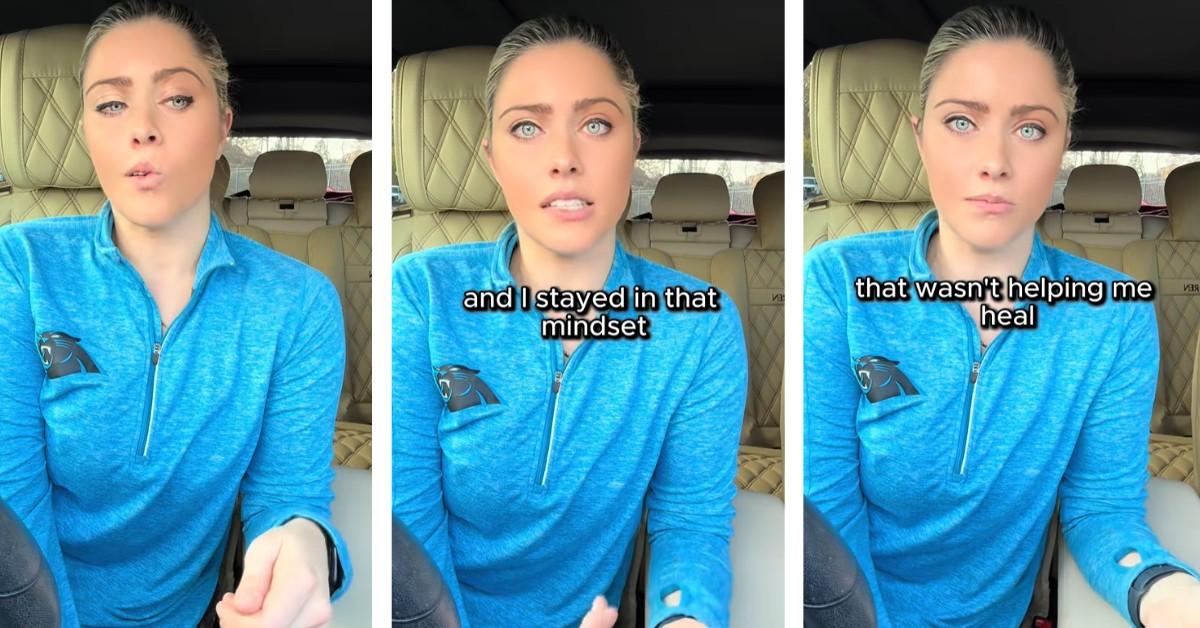
While broad official confirmations were initially elusive, a specific individual operating as an influencer named McKinnon Galloway did, in fact, open up about her journey with hearing loss. This personal disclosure, often shared directly with her fanbase through her own platforms, documented her experiences before and after an accident that led to her hearing impairment. She candidly shared the struggles she faced, offering an intimate look into her world. This specific account, while perhaps not immediately picked up by traditional mainstream news in the same way a celebrity's medical diagnosis might be, represents a very real and documented personal truth within her community of followers.
This distinction is crucial: the initial *trend* might have been fueled by general rumors or questions, but *an actual person* named McKinnon Galloway later provided a factual, personal account of her hearing loss. This situation highlights how online curiosity can sometimes precede, and even pave the way for, genuine disclosures, creating a unique challenge in distinguishing generalized "online claims" from specific "facts" shared within certain communities.
The Power of Personal Stories: McKinnon Galloway's Journey and Its Impact
The personal testimony of an influencer like McKinnon Galloway regarding a challenging experience such as hearing loss carries significant weight, especially within their dedicated online community. When an individual shares their struggles and triumphs with such openness, it not only provides valuable insight but also fosters a sense of connection and understanding among their audience.
McKinnon Galloway's decision to "dig even deeper" and let her followers into her world by documenting her hearing loss journey post-accident is a testament to the evolving nature of public disclosure. In an era where influencers often share intimate aspects of their lives, such accounts become a form of "verified information" for their audience, albeit different from a formal press release or medical report. Her narrative likely involves:
* The circumstances surrounding the accident and its immediate aftermath.
* The emotional and practical challenges of adapting to hearing loss.
* The use of hearing aids or other assistive technologies.
* Strategies for communication and navigating daily life.
* Messages of resilience and advocacy for others facing similar challenges.
Such detailed, firsthand accounts offer far more than just "facts"; they provide empathy, education, and inspiration. They demonstrate how personal experiences, when shared authentically, can transform a trending search query born of general curiosity into a rich source of genuine human experience.
Separating Fact from Fiction: Practical Tips for Navigating Online Information
The story of "McKinnon Galloway Hearing Loss" serves as a compelling case study in the complexities of online information. It began as a trending topic driven by unverified claims and curiosity, only for a real individual named McKinnon Galloway to later share a genuine personal experience, adding a layer of authenticity to the conversation. Navigating such scenarios requires a discerning eye. Here are practical tips for evaluating information you encounter online:
*
Verify Sources: Always question the origin of the information. Is it from a reputable news organization, an official statement, a medical professional, or a personal account from the individual themselves? Be wary of anonymous posts or unverified social media accounts.
*
Look for Official Confirmations: For significant health or personal disclosures, credible information often comes directly from the individual or their official representatives. Mainstream news outlets typically cite these official sources.
*
Cross-Reference Information: Don't rely on a single source. If a claim is significant, multiple reputable outlets should be reporting on it with consistent details.
*
Understand "Trending" vs. "Fact": A topic trending simply means many people are searching for it, not that the information is necessarily true or confirmed. Trends can be driven by curiosity, confusion, or misinformation.
*
Be Wary of Sensationalism: Headlines and content designed to shock or provoke a strong emotional response are often less reliable. Prioritize factual reporting over dramatic storytelling unless it's a clearly stated personal narrative.
*
Consider the Date and Context: Information evolves. A claim that was unverified last week might have new context or confirmation today. Always check when information was published or updated.
The McKinnon Galloway situation highlights how online conversations can evolve. For more insights into how these trends impact our perception, you can read our detailed analysis in
McKinnon Galloway Hearing Loss: Debunking 2026 Trends. By adopting these critical evaluation skills, you can become a more informed and responsible consumer of online content.
Conclusion: The Evolving Narrative of McKinnon Galloway Hearing Loss
The journey of "McKinnon Galloway Hearing Loss" from a trending, unverified query to a recognized personal narrative exemplifies the complex nature of information in the digital age. What started as widespread online curiosity, possibly fueled by misinformation, eventually encountered the genuine, heartfelt disclosure of an influencer named McKinnon Galloway, who bravely shared her personal experience with hearing loss following an accident. This evolution underscores a critical lesson: while initial online claims may lack factual backing, the digital space also provides a platform for authentic personal stories to emerge and resonate. As we continue to navigate a world saturated with information, the responsibility falls on each of us to critically evaluate sources, differentiate between broad speculation and specific, verified accounts, and appreciate the value of both factual reporting and genuine human experience.